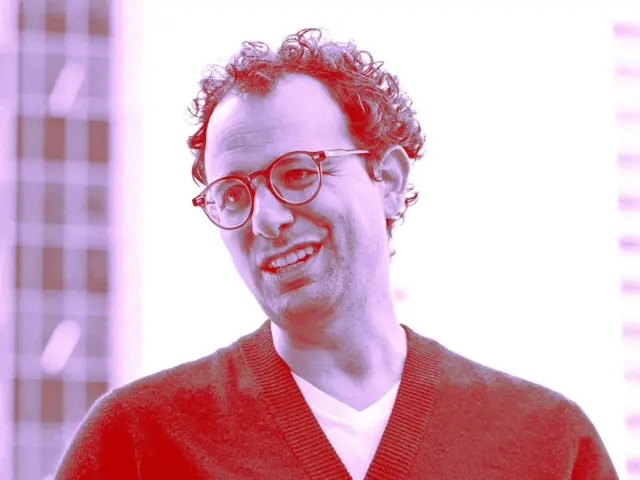




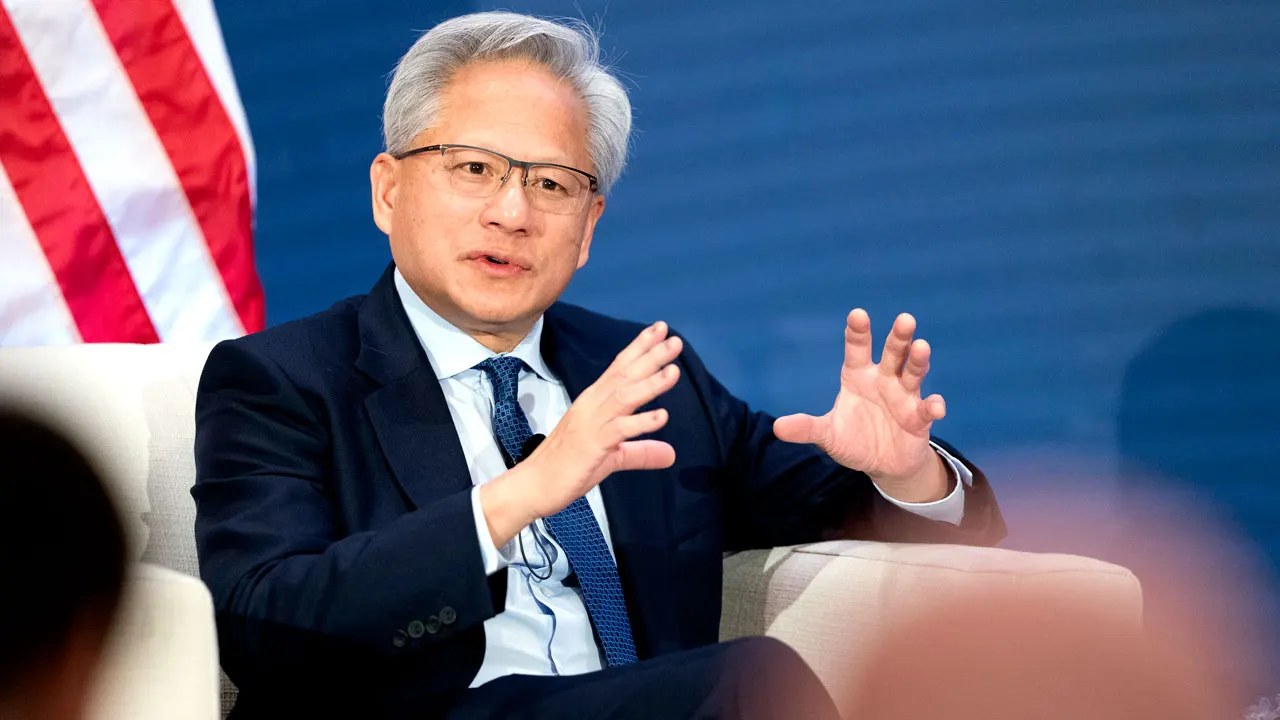
Jensen Huang, the chief executive of Nvidia, is pushing back firmly against the growing chorus of warnings that artificial intelligence could lead to the extinction of humanity. In a recent interview with CBS News, Huang dismissed claims that AI might trigger a global catastrophe by 2030, stating there is zero percent chance that such a doomsday scenario will occur. He characterized these alarmist predictions as irresponsible and lacking scientific grounding, suggesting that scaring the public serves no productive purpose.
According to Huang, the incentive for AI developers to prioritize safety is baked into their business models. He pointed out that Nvidia’s own corporate value is inextricably linked to the safe deployment of its technology, meaning any catastrophic failure would diminish the company’s worth. Rather than inventing entirely new regulatory frameworks born out of fear, Huang argues that current legal structures regarding cybersecurity and corporate liability should be enough to keep the industry in check.
This perspective aligns closely with views recently shared by President Donald Trump, who has described doomsday narratives as a hoax. The president warned that overly restrictive regulations could stifle American innovation and inadvertently grant China a strategic advantage in the global AI race. Both men suggest that maintaining competitive momentum is more critical than reacting to speculative threats about robots taking over cities.
As part of this broader geopolitical conversation, Huang is expected to join other tech titans like Sam Altman and Tim Cook at an upcoming state dinner hosted by President Trump for Chinese President Xi Jinping. During these discussions, Huang hopes to address global standards for AI development while advocating for a more open approach to competition. He believes American chip companies should be free to serve the entire world, asserting that true national strength comes from winning through competition rather than isolationism.