




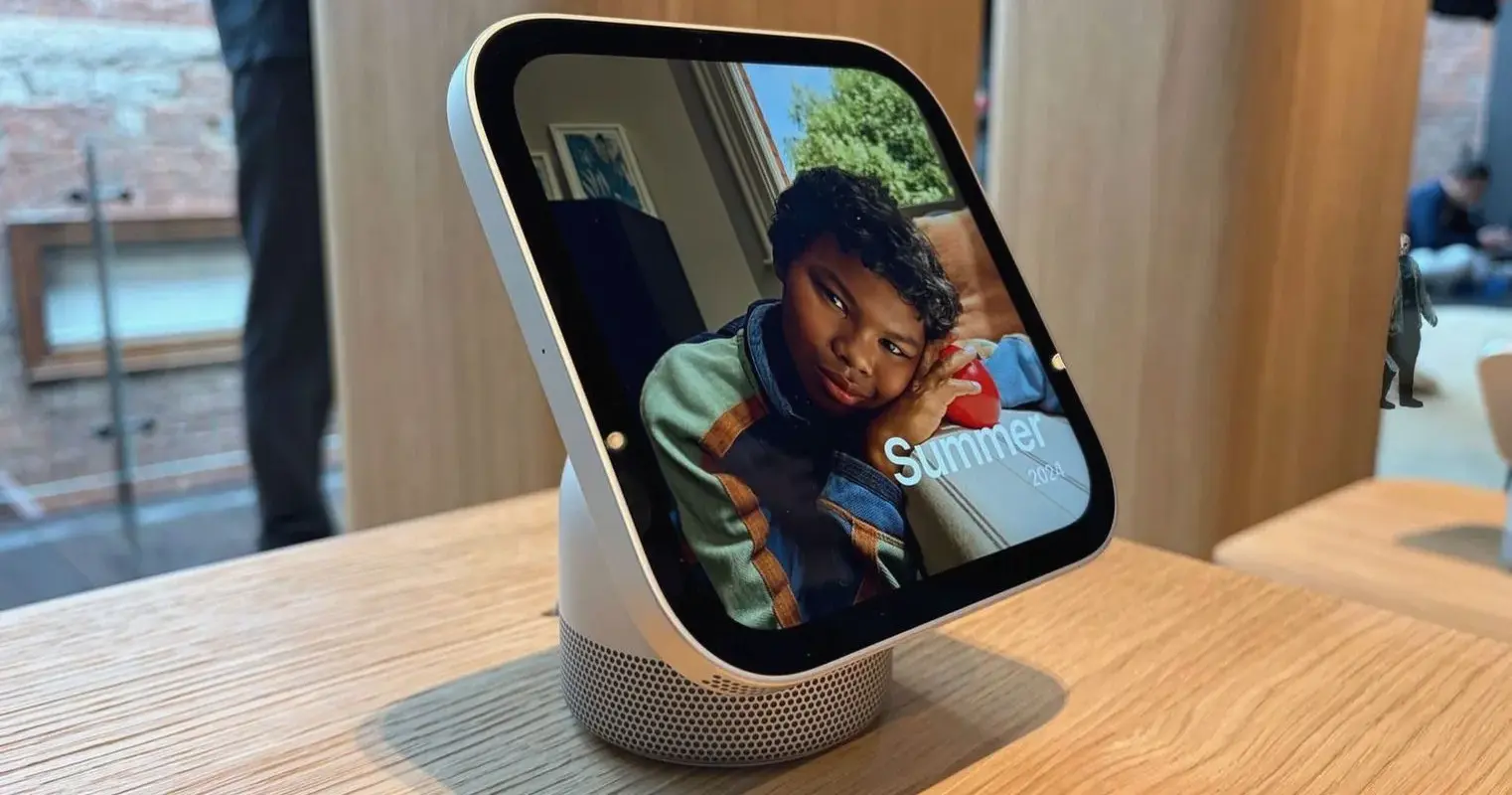
Apple has finally released the HomeView, a sleek smart display that blends the roles of a digital photo frame, a kitchen assistant, and a communication hub. While the device looks like a standalone powerhouse, it operates less like an independent computer and more like CarPlay for the living room. Rather than hosting its own app store or storing vast amounts of user data locally, the HomeView mirrors the applications and information already residing on your iPhone or iPad. If you want to check your calendar or send a message via the screen, your mobile device needs to be nearby and recently unlocked.
This architectural choice is driven primarily by Apple’s obsession with privacy and personalization. According to company executives, including hardware VP Matthew Costello, using the iPhone as the primary data container ensures that sensitive information isn’t permanently housed on a communal household device. By linking the display to a specific phone, the HomeView can use facial and voice recognition to surface personal details only when the rightful owner is standing in front of it. Once you walk away, your private messages and reminders vanish, preventing roommates or guests from accidentally stumbling upon your secrets.
Beyond security, this deep integration creates a seamless handoff experience across the Apple ecosystem. Users can start browsing recipes in Safari on their phone and effortlessly shift them to the larger screen in the kitchen. Because it leans on existing iOS infrastructure, Apple was able to strip away physical buttons entirely, designing the HomeView to be a voice first interface where touch remains secondary. This minimalist approach reflects a broader strategy of restraint described by marketing lead Cecilia Dantas, who noted that deciding what to exclude was just as important as deciding what to include.
Ultimately, Apple views this dependency not as a limitation but as an extension of their wider network of devices. By treating the iPhone as the intelligent heart of the user’s life, the HomeView acts as a glancing window into that intelligence rather than trying to replace it. For users already embedded in the ecosystem, it provides a convenient way to interact with their digital world without having to hold a phone in their hand throughout every moment at home.